Introduction:
Hyperhidrosis, or excessive sweating, can extend beyond physical discomfort to significantly affect one’s professional life. From social interactions to job performance, the impact of this condition can be profound and challenging to navigate.
The Social Dilemma:
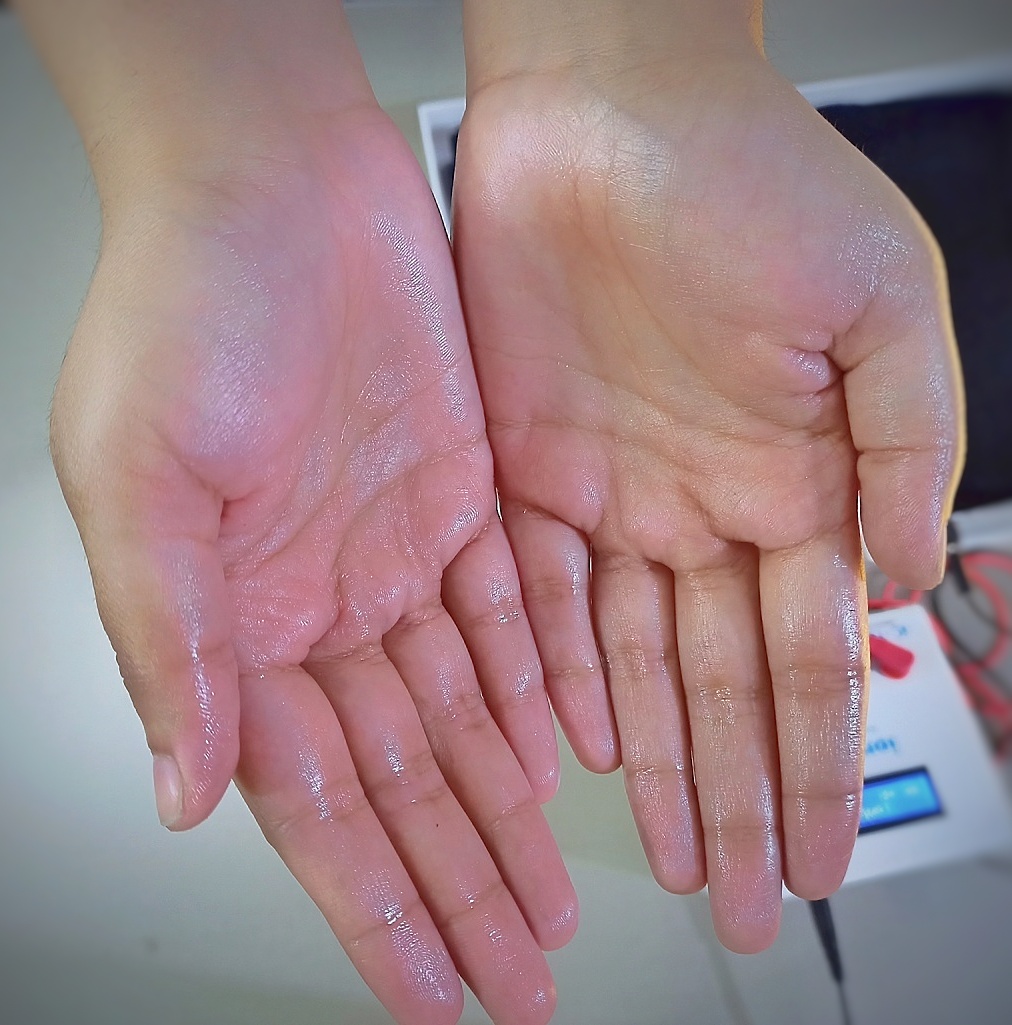
In professional settings, first impressions matter. However, individuals with hyperhidrosis often find themselves grappling with the social implications of excessive sweating. Handshakes, a common gesture in business interactions, can become sources of anxiety and embarrassment. The fear of sweaty palms being noticed may lead to avoidance of networking opportunities or reluctance to engage in face-to-face meetings, hindering professional relationships and advancement.
Performance Under Pressure:
Whether delivering presentations, participating in meetings, or attending interviews, individuals with hyperhidrosis may find themselves contending with heightened stress and anxiety. The fear of sweat stains or visible signs of sweating can undermine confidence and detract from one’s ability to perform effectively. Moreover, tasks requiring precision or manual dexterity may pose challenges due to compromised grip and control, impacting productivity and professional competence.
Professional Image and Self-Confidence:
Maintaining a professional image is paramount in many careers. However, hyperhidrosis can pose a barrier to projecting confidence and competence in the workplace. Persistent sweating may lead to feelings of inadequacy and self-consciousness, eroding self-esteem and undermining one’s perceived capabilities. Consequently, individuals may hesitate to take on leadership roles or pursue career opportunities that necessitate public visibility, perpetuating a cycle of professional limitation and stagnation.
Coping Strategies and Solutions:
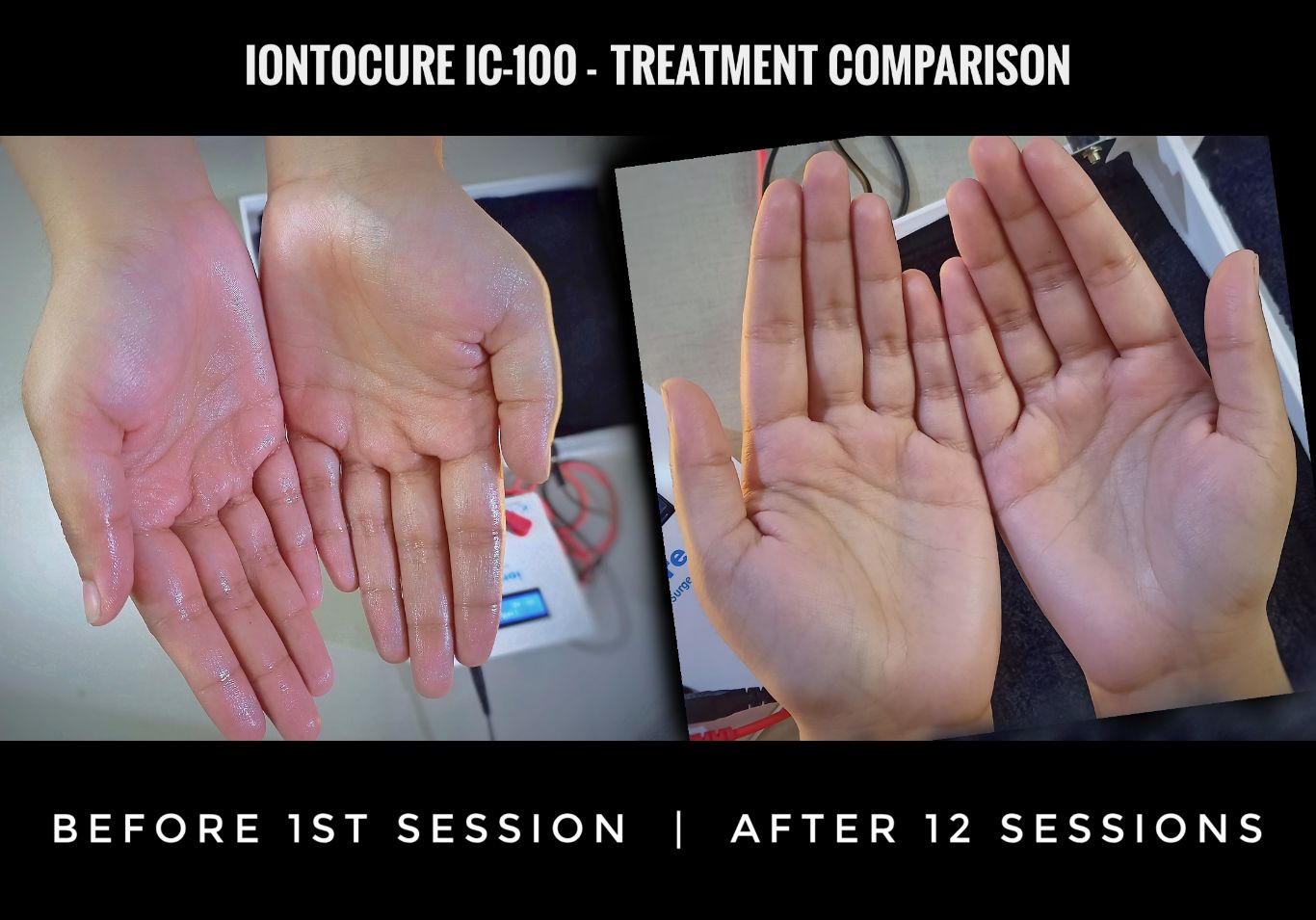
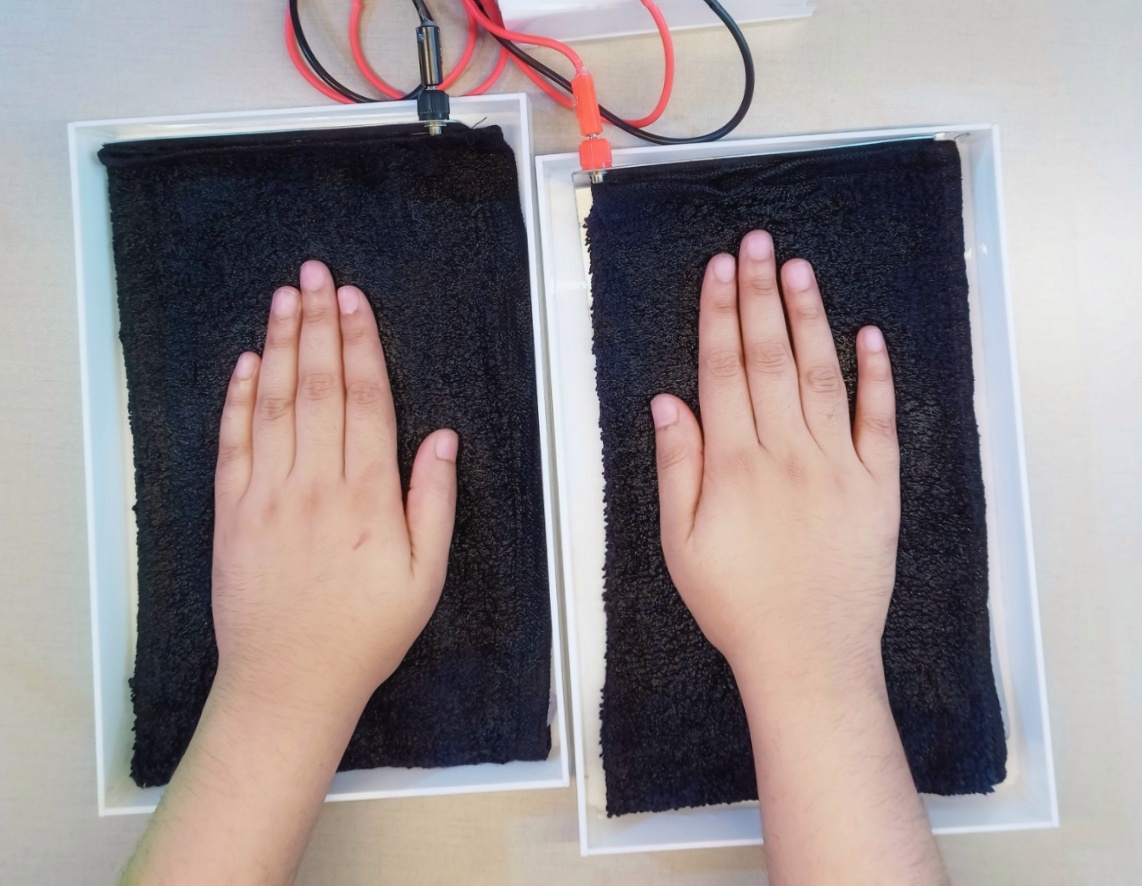
While the impact of hyperhidrosis on professional life can be daunting, there are strategies and solutions available to mitigate its effects. From adopting moisture-wicking clothing and carrying discreet absorbent pads to exploring medical interventions like iontophoresis or botulinum toxin injections, individuals can tailor their approach to suit their needs and lifestyle. Seeking support from understanding colleagues and employers can also foster a more inclusive and accommodating work environment, alleviating the social stigma associated with hyperhidrosis.
Conclusion:
Hyperhidrosis presents unique challenges in the professional sphere, ranging from social discomfort to performance anxiety and self-confidence issues. However, with awareness, acceptance, and access to effective management strategies, individuals can navigate these challenges and thrive in their careers. By fostering a culture of empathy and understanding, workplaces can become more inclusive environments where individuals with hyperhidrosis feel valued and empowered to reach their full potential.